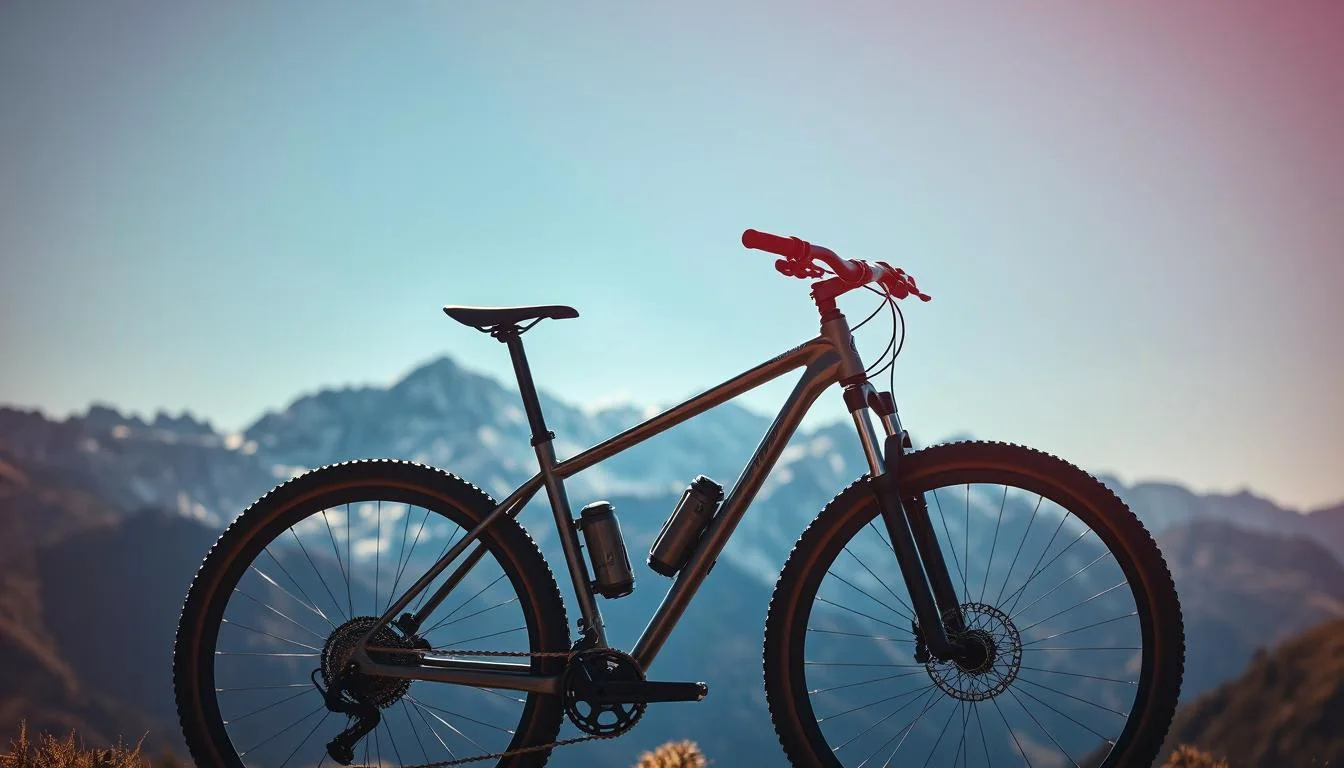
What if your most prized possession, the machine that gives you freedom on the trails, suddenly vanished or was destroyed? For many riders, that prized possession is a high-end mountain bike, an investment that can easily surpass $10,000.
Unlike car ownership, no law says you must have protection for your bicycle. But is that a risk you’re willing to take? A single accident or theft could lead to massive out-of-pocket costs.
This guide is here to help you make a smart decision. We break down everything about specialized coverage for your ride. You will learn how it differs from a standard home policy and why that matters for the unique risks you face.
Whether you ride for fun or competition, you need a policy that understands your lifestyle. We have researched the leading providers to help you find the best combination of value and service for your needs.
Understanding Mountain Bike Insurance Needs
Crashing on rocky terrain or having your equipment stolen from a trailhead can turn an amazing day into a financial nightmare. Standard home policies often fall short when it comes to protecting your valuable bicycle from these specific risks.
Why Insurance Matters for Your Mountain Bike
Your off-road machine faces unique dangers that road bicycles don’t encounter. Trail accidents can crack frames and damage expensive components. Theft often happens at remote parking areas where bikes are left unattended on vehicle racks.
Replacing a high-end full-suspension bicycle without coverage could devastate your finances. Proper protection gives you peace of mind to ride confidently.
Please Note
The information provided in this guide is for general informational and educational purposes only. It should not be considered legal, financial, or professional insurance advice. Policies, coverage details, and regulations can vary widely, and this content is not legally binding. For guidance specific to your situation, always consult a licensed insurance professional or legal advisor.
So, let’s explore how you can ride with confidence, knowing you will be fully protected!
Assessing Your Risk and Coverage Requirements
Crashing on rocky terrain or having your equipment stolen from a trailhead can turn an amazing day into a financial nightmare. Standard home policies often fall short when it comes to protecting your valuable bicycle from these specific risks.
| Bicycle Value Range | Average Monthly Premium | Risk Level |
|---|---|---|
| Up to $1,500 | Under $27.06 | Low |
| $1,500 – $3,000 | Around $50.34 | Medium |
| Over $3,000 | Approximately $99.97 | High |
Think about real scenarios where you’d need coverage. This includes transport damage, race participation, or lending your bike to friends. Your storage situation also affects requirements—insurers have different rules for garages versus outdoor sheds.
Key Features of the Top Insurance Policies
Distinguishing between basic and comprehensive protection starts with recognizing what truly matters for your riding lifestyle. The best insurance policies address the unique challenges you face on and off the trail.
Quality coverage should work for you when it matters most. Look for these essential features in your bicycle protection plan.
Coverage for Theft and Accidental Damage
Your bike insurance needs to handle real-world scenarios. Comprehensive theft coverage protects your equipment wherever you take it—trailheads, garages, or vehicle racks.
Accidental damage protection goes beyond simple theft. It covers crashes on technical terrain, transport incidents, and even components damaged during rides. The best policies include:
- Full replacement for bikes beyond repair
- Coverage for expensive components like suspension systems
- Protection during airline transport and shipping
- Clear abandonment timeframes (typically 18-24 hours)
Liability and Third-Party Protection
Liability coverage protects you from unexpected costs. Trail accidents can involve other riders, hikers, or property damage.
Without proper liability protection, you could face substantial legal expenses. Quality policies offer 24/7 coverage across the US, with some extending to international destinations.
This essential feature gives cyclists peace of mind during group rides and competitions. It ensures you’re protected against third-party claims.
Insurance Coverage for Electric and Road Bikes
The insurance landscape changes significantly when you add electric or road bicycles to your mountain bike collection. Each type brings unique risks that affect your coverage needs.
Understanding these differences helps you protect your entire stable properly. Your policy should address the specific challenges of each bicycle type.
Differences Between Electric and Mountain Bike Policies
Electric bikes require special consideration due to their higher value and storage needs. Their weight often means they’re kept in garages or outbuildings rather than inside homes.
Companies like Velosurance cover all electric bicycle classes with assisted speeds up to 28 mph. Look for providers that explicitly include e-bikes in their protection plans.
Road bicycles bring different insurance considerations than mountain models. They face more traffic-related risks and may need stronger liability coverage.
If you own multiple bicycle types, seek insurers offering multi-bike discounts. This makes protecting your entire collection more affordable while ensuring proper coverage for each ride.
Evaluating Insurance Policy Options
Smart riders know that the true value of an insurance policy lies in the details beyond the monthly cost. Comparing different options requires looking at several key factors that affect your protection.
Your choice should balance affordability with comprehensive coverage that meets your specific needs.
Comparing Premiums and Deductibles
Your premium is the monthly payment you make for coverage. Recent data shows costs vary significantly based on your bicycle’s value.
Bikes under $1,500 often have premiums under $27 monthly. Mid-range bicycles ($1,500-$3,000) average around $50. High-end bikes over $3,000 can reach approximately $100 per month.
Your deductible choice directly impacts your premium. A higher deductible lowers your monthly payment but increases your out-of-pocket cost during a claim.
Consider these factors when comparing policies:
- Depreciation coverage versus agreed-value replacement
- Storage requirements for bikes kept in garages or sheds
- Community-based models where payments fluctuate based on group claims
- Additional benefits like liability protection and accessory coverage
Understanding the Fine Print
Always read the complete policy document before committing. The fine print contains critical details about your coverage limitations.
Typically, most providers exclude cosmetic, general wear and tear damage, poor maintenance or mechanical breakdowns or restrict coverage during certain activities. Regular maintenance and upkeep of your bike is your responsibility. Others have specific security requirements for bike storage.
Research each company’s claims process reputation. Smooth claim handling is essential when you need your protection most.
Tips for Securing Your Mountain Bike
Your bike’s protection starts long before you need to file an insurance claim. Taking proper security measures shows insurers you’re serious about protecting your investment. This diligence can make the difference between a smooth claims process and a denied request.
Best Practices for Storage and Locking Methods
Your storage setup matters significantly to insurers. Whether keeping your bicycle at home or away, proper security is essential. Always secure your bike to immovable objects like ground anchors or permanent structures.
Invest in high-quality U-locks or heavy-duty chain locks from reputable brands. Flimsy cable locks often void coverage if theft occurs. Consider these essential security measures:
- Use well-lit, high-traffic areas when locking bikes away from home
- Install ground anchors in garages or sheds for solid attachment points
- Consider GPS trackers for quick recovery before filing claims
- Photograph your bicycle and keep purchase receipts for documentation
Not sure which U-lock to invest in to securely lock your bike? Check out our Top 10 Insurance-Approved U-Locks for US Bikes & E-Bikes guide comparing the top 10 locks of 2026 that meet US Insurance mandates.
Always verify that your storage situation matches your policy terms. Some providers exclude coverage for bikes left in certain types of sheds. Proper security protects your bicycle and maintains your insurance validity.
Looking for the most reliable ways to protect your mountain bike this year? Check out our Top 10 MTB Bike Anti-Theft Trackers 2026 guide, where we break down the best GPS and stealth tracking options to help you recover your bike fast if the worst happens.
Top US Mountain Bike Insurance Companies
Finding the right protection for your off-road adventures means matching your riding style with a provider’s specific strengths. Each company brings unique advantages that cater to different needs within the cycling community.
Highlights of Each Provider
Velosurance stands out with fully customizable policies. They cover everything from theft to race participation with no depreciation on claims.
Their worldwide protection includes unique features like uninsured motorist coverage. You also get gear protection and flexible locking requirements.
BikeInsure is a nationwide bicycle/e-bike insurance underwritten by a strong carrier. They cover riding, transit, and theft risks for mountain bikes, road bikes, gravel, etc. Known for accessible pricing and backing by major cycling bodies.
Spoke Insurance offer comprehensive bicycle insurance including mountain-bike, e-bike, commuter, and road. They cover crash & accidental damage, theft, spare parts, liability, and even roadside assistance (bike breakdown recovery). Good for riders who use their bike frequently or for mixed purposes.
Markel Corporation (Bicycle Insurance Division) offers a dedicated “Bicycle Insurance” product covering mountain, e-bike, road, tandem, etc. Coverages include physical damage (crash, vandalism, transit), theft, worldwide optional extension, liability protection, medical payments.
Bluewater Bike Insurance is designed for riders of all disciplines (MTB, road, e-bike). Coverage includes full-value replacement for theft or damage, transit damage, liability, medical payments, spare parts/apparel, rental-bike reimbursement, and even event/race fee reimbursement in some policies.
Simple Bike Insurance offers affordable bicycle & e-bike insurance with coverage for theft, accidental damage, liability, spare parts/apparel, transit & travel damage, and more. Good for riders seeking straightforward, no-frills protection for MTB, e-bike or multiple bikes.
As USA Cycling is the national cycling governing body, they partner with licensed bike insurers to offer discounted or tailored insurance to members, especially helpful if you ride competitively or often on group/team rides. Through such partnerships, members can access specialized coverage for mountain bikes and related gear.
General home / renters + scheduled-item riders insurance companies – Many mountain bikers still rely on homeowners or renters insurance — sometimes with a “scheduled personal articles” rider — to cover their bike and gear. This can offer a baseline option, though often with limitations (e.g., depreciation, exclusions for off-road use, limited coverage away from home). Many industry guides cite this as a common fallback.
Specialty & niche bike-insurance agencies under broader markets – Some lesser-known or smaller agencies and underwriters — including those that insure e-bikes, cargo-bikes, or multiple-bike households — offer specialized coverage plans. Their offerings can include custom liability, transit damage, and high-value bike coverage, making them relevant when standard insurers fall short.
Custom/International Travel-Oriented Bike Insurance Aggregators – If you travel or bike internationally — for example MTB vacations or competitions abroad — there are insurers/aggregators who cater to travel + bike insurance needs: covering theft abroad, transit damage, liability overseas, and even medical/evacuation. These are especially useful for riders who tour or compete outside their home country. (Some of the providers above offer global add-ons.)
Here’s a COMPARISON TABLE in Google Sheets format of selected bike-insurance providers — with coverage types, cost ranges, deductible ranges (when listed), state availability, and quote links (or homepages where you can get a quote). And also includes “How To Use This table” & “Observations & Important Caveats”
Specialized Coverage Options for Mountain Bikers
Your passion for mountain biking adventures requires insurance that understands the specific challenges of race events and travel. Standard policies often miss critical protection areas that competitive riders need most.
When selecting your protection plan, consider these specialized options that match your riding lifestyle. The right additions can make all the difference when you need to file a claim.
Race, Event, and Travel Coverage Insights
Competitive riding demands specialized race coverage. Crashes during events often cause more damage than recreational accidents. Event cancellation protection can reimburse entry fees and travel costs if injury prevents participation.
Travel coverage protects your equipment during transit to riding destinations. Worldwide extensions ensure your bicycle insurance works internationally. Some providers offer medical coverage for injuries sustained during events.
Optional Add-Ons and Customizable Plans
Customizable plans let you build protection around your specific needs. Gear and apparel coverage protects expensive helmets and riding kits damaged in crashes. Accessories coverage extends to components like bike computers and action cameras.
Rental bike coverage keeps you riding while your primary bicycle undergoes repairs. Medical payments can cover health insurance deductibles after mountain biking injuries. These add-ons provide comprehensive protection for serious riders.
| Coverage Type | Typical Cost | Best For | Key Benefit |
|---|---|---|---|
| Race Coverage | $5-15/month | Competitive riders | High-speed crash protection |
| Travel Extension | $3-8/month | Destination riders | Worldwide equipment protection |
| Gear & Apparel | $2-5/month | All mountain bikers | $500 per accident coverage |
| Rental Coverage | $4-10/month | Daily riders | Continuous trail access |
Understanding Policy Exclusions and Fine Print
Understanding what your policy doesn’t cover is just as important as knowing what it does protect. Many riders discover coverage gaps only when filing a claim. This can lead to frustrating denials and unexpected out-of-pocket costs.
Reading the fine print carefully helps you avoid these surprises. Pay special attention to exclusion sections and specific requirements.
Common Exclusions to Watch For
Your insurance policy likely excludes certain situations. Cosmetic damage like scratches often isn’t covered if it doesn’t affect safety. Professional use for paid guiding or instruction typically requires separate commercial coverage.
Home insurance policies have significant limitations for bicycles. They often cap claims at $500 per item. This won’t cover high-end mountain bikes. Most exclude protection when your bicycle is away from home.
Storage requirements can void your coverage if not met. Some insurers demand ground anchors in sheds. Others exclude wooden storage structures entirely. Always verify your setup matches policy terms.
| Exclusion Type | What It Means | Why It Matters | How to Address |
|---|---|---|---|
| Cosmetic Damage | Scratches and scuffs not affecting function | Expensive repairs not covered | Ask about cosmetic riders |
| Professional Use | Paid guiding, instruction, or commercial activities | Claims denied for work-related incidents | Purchase commercial insurance |
| Storage Violations | Failure to meet specific security requirements | Coverage voided for theft | Document your storage setup |
| Abandonment | Bikes left unattended beyond time limits | No coverage during multi-day trips | Check abandonment clauses |
| Liability Gaps | Exclusions for races or international travel | Legal costs not covered abroad | Verify liability extensions |
Key Clauses in Your Insurance Contract
Abandonment clauses define how long you can leave your bicycle unattended. This matters for bikepacking trips or overnight trailhead parking. Most policies consider bikes abandoned after 18-24 hours.
Permissive use coverage determines if friends can ride your bicycle. Many policies only cover the named policyholder. Lending your bike without this clause could leave you unprotected.
Disclose pre-existing medical conditions when adding personal accident coverage. Previous injuries like broken bones can affect claim approvals if not reported upfront.
Always secure your bicycle to immovable objects when stored away from home. Even brief periods unlocked can void theft coverage. Understanding these details prevents claim denials.
Real-World Claims and Customer Reviews
Real stories from cyclists who’ve navigated the claims process offer invaluable insights for your own protection strategy. These experiences show what works and what doesn’t when you need to file a claim.
Case Studies from Fellow Mountain Bikers
One rider learned the hard way about disclosure requirements. They forgot to mention a previous collarbone fracture when buying coverage. After breaking it again in Spain, their claim was denied.
Another cyclist had a much better outcome. Their comprehensive bicycle insurance covered a $20,000+ hospital bill from a serious race crash in China. This shows the value of international coverage.
Transport accidents are common claim scenarios. One person drove under a low barrier with their bike on the roof rack. The resulting damage to their equipment and vehicle was substantial.
| Claim Scenario | Typical Outcome | Key Factor | Prevention Tip |
|---|---|---|---|
| Theft from vehicle | Covered with proper documentation | Lock type and proof | Use high-security locks |
| Crash damage during race | Covered with race rider | Policy inclusions | Verify event coverage |
| Transport accident | Often covered | Proper securing | Double-check roof racks |
| Medical injury abroad | Requires international coverage | Policy territory limits | Check geographic scope |
Lessons Learned from Past Claims
Successful claimants emphasize documentation. Keep purchase receipts, serial numbers, and photos of your bicycle. Also document the security measures you used.
Choose specialized insurers who understand cycling. They process claims more efficiently than general insurance companies. Read your policy thoroughly before any incident occurs.
Report accidents promptly to police and your insurer. Delays can complicate claims. Having a bike shop familiar with insurance processes helps streamline repairs.
Additional Benefits and Discounts
Smart cyclists know that maximizing value goes beyond just the monthly premium. Many providers offer discounts and perks that can significantly enhance your protection while saving you money.
Multi-Bike Discount Opportunities
If you own multiple bicycles, you can save serious money. Most top insurers offer around 50% off on additional bikes added to your policy. This makes protecting your entire collection much more affordable.
Electric bikes often become a rider’s second bicycle. Multi-bike discounts work perfectly for this situation. You get comprehensive coverage for all your rides at a reduced cost.
Bundling with Home Insurance and Other Perks
Bundling your bicycle with your home insurance seems convenient. However, this option often provides inferior coverage compared to standalone policies. Claims could also increase your home insurance rates.
Consider these additional benefits when choosing your policy:
- Recovery services that transport you and your damaged bike home
- Access to bike shop networks with preferred pricing
- Discounts for safety measures like GPS trackers
- Flexible payment options including annual discounts
- 24/7 claims hotlines with cycling specialists
Standalone bicycle insurance keeps your claims separate from your home policy. This protects your home insurance rates from increases. With premiums rising yearly, this separation becomes increasingly valuable.
Here’s a COMPARISON TABLE in Google Sheets format of selected bike-insurance providers — with coverage types, cost ranges, deductible ranges (when listed), state availability, and quote links (or homepages where you can get a quote). And also includes “How To Use This table” & “Observations & Important Caveats”
Conclusion
As you approach finalizing your insurance selection process, remember that the right choice balances protection with practicality. You’ve explored the complete landscape of options available to cyclists.
Choosing the best bicycle insurance means honestly assessing your riding style and bike value. Consider whether you need specialized coverage for things like racing or travel.
The cheapest option isn’t always the best value. You need coverage that actually protects you when accidents happen. Compare multiple quotes and read the fine print carefully.
Protection for your mountain bike is an investment in peace of mind. It lets you ride confidently, knowing theft or crashes won’t end your cycling season. Don’t wait until after something happens to get proper bicycle insurance.